Socio-Cultural, Behavioral Barriers and Conceptual Myopia in Kenya’s Sanitation Sector
12%
Still Practicing Open Defecation
43%
Low Sanitation Awareness
SDG 6.2
Behavioral Change for All
The path to sustainable sanitation in Kenya demands a radical paradigm shift. We must transcend inherited conceptual myopia and actively dismantle the deep-seated socio-cultural and behavioral barriers that continue to limit innovation, inclusivity, and adoption of context-specific Non-Sewered Sanitation (NSS) solutions.
Understanding the Human Factor
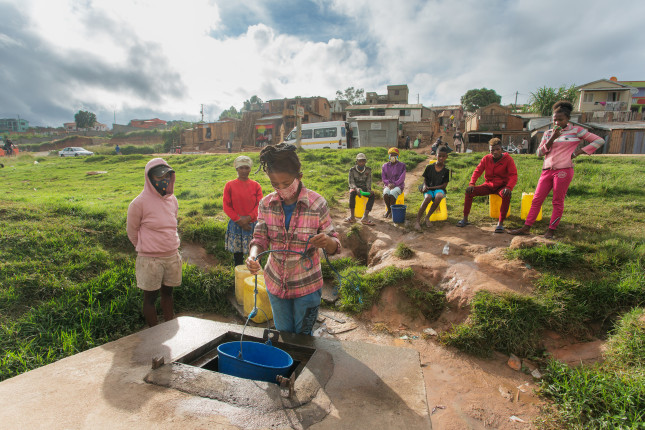
Sanitation is not just a technical challenge — it is a deeply social, cultural, and behavioral issue. In many communities, taboos around waste, gender roles, and privacy shape the adoption and maintenance of sanitation facilities. Addressing these requires empathy, co-creation, and culturally grounded communication strategies that meet people where they are.
Elevate Your Impact
To the pioneering Government Agencies, visionary Development Partners, innovative Private Sector Enterprises, and engaged Civil Society Organisations: your role is not just operational — it’s transformative. You are the catalyst bridging policy, practice, and people to redefine Kenya’s sanitation story.
- • Break Taboos: Promote dialogue and awareness campaigns that normalize sanitation as a public health and dignity issue.
- • Empower Communities: Co-create sanitation solutions that respect local values, beliefs, and lived realities.
- • Transform Behavior through Insight: Use data-driven behavioral studies to inform effective, lasting interventions.
This is not just another publication. It is a bold redefinition of how Kenya perceives, adopts, and sustains sanitation. The SaniBook captures the lived experiences, behavioral insights, and cultural wisdom that shape our sanitation realities.
Contribute Your Story“Changing behavior starts with changing perception — and changing perception begins with understanding.”